Exploring AUW’s UG & MA Students’ Perceptions of Digital Storytelling in the Classroom

Digital story (DS) is a concept that incorporates narrative, multimedia, and reflective learning to foster creativity, communication, and digital literacy among higher education institutions. This was a qualitative participatory research study that investigated the perception of undergraduate and master’s level students at the Asian University of Women (AUW) in relation to DS following a guided storytelling activity. Six learners were asked to make short multimedia stories with Canva and comment on them, and observations in the classroom were recorded of their interactions, responses, and difficulties. Thematic analysis (Braun & Clarke, 2006) showed that there were four primary outcomes, namely:

  1. Greater confidence in sharing personal experiences,
  2. Growth of communication, creativity, and digital skills,
  3. Enhanced empathy and interpersonal connection, and
  4. Greater reflection and personal growth.

Even though the students had to face minute obstacles, such as technical problems and time constraints, these experiences helped them to collaborate, solve problems, and become resilient. On the whole, the results show that DS is an effective, humanistic, pedagogic model that facilitates expression and identity as well as agency of the learner in multilingual classes in higher education.

Taiba Ghazanfar, Asian University for Women (AUW), BD
TCC Hawaii invites faculty, researchers, librarians, counselors, student affairs and student support professionals, graduate students, administrators, and consultants from around the world interested in evolving technologies and learning practices to submit proposals for this online conference.

Avatars That Endure: Long-Term Digital Embodiment, Identity Care, and Continuity in Second Life

Long-lived virtual worlds offer rare insight into how digital identities persist, adapt, or disappear over time. This paper presents a longitudinal study of avatar embodiment in Second Life, revisiting Kristine Schomaker’s 1000 Avatars (2011) visual archive fourteen years later. By reconstructing the original dataset and conducting an ongoing content analysis of active avatars alongside semi-structured interviews with long-term users, the project examines how digital selves are maintained amid technological change, shifting aesthetic norms, and aging users.

Findings indicate that persistence in virtual embodiment is not passive but requires ongoing “identity care”—the labor of updating, maintaining, and reconciling past and present selves within evolving technical systems. While many users adapt their avatars through gradual visual and technological change, others preserve legacy forms as expressions of authenticity or resistance. The widespread disappearance of avatars from the original dataset highlights how platform design choices, economic barriers, and technical complexity shape whose identities remain visible over time.

Framed through theories of embodied social presence, self-discrepancy, and agency in communication technologies, this study positions avatar persistence as a human-centered concern rather than a purely technical one. It argues that long-term digital identity reveals the consequences of design systems that prioritize innovation and novelty over continuity, accessibility, and care. In the context of education and creative digital environments, the findings raise broader questions about how technologies can be designed to support human presence, meaning, and identity across time rather than short cycles of participation.

Eve Foster, University of Oregon, US

TCC Hawaii invites faculty, researchers, librarians, counselors, student affairs and student support professionals, graduate students, administrators, and consultants from around the world interested in evolving technologies and learning practices to submit proposals for this online conference.

Re-Imagining Workforce Development: AI & XR Learning Communities for Re-Skilling, Renewal, and Reintegration

This dissertation research paper examines how artificial intelligence (AI) and extended reality (XR) can transform access to high-quality workforce education for populations historically excluded from economic mobility. This paper presents research-informed framework for creating inclusive, human-centered learning communities that leverage immersive technologies to support re-skilling adults, empowering underserved scholars, and facilitating the reintegration of returning citizens.

Grounded in principles of equity, digital inclusion, and community co-design, the paper explores how AI-driven personalization, adaptive assessment, and career-guided learning pathways can accelerate skill acquisition while respecting diverse backgrounds, experiences, and learning styles. XR simulations provide realistic, low-risk practice environments where learners build technical competencies, digital fluency, and the social-emotional skills required for workplace success. Then scholars team up with culturally diverse mentors to complete projects in the field, further applying the new knowledge.

The paper analyzes case scenarios and pilot implementations illustrating how these tools reduce barriers related to confidence, transportation, prior justice involvement, and limited access to traditional training. It also addresses ethical considerations, including data privacy, cultural responsiveness, and the need for trauma-informed and accessibility-centered design.

By integrating interdisciplinary perspectives from education, workforce development, and emerging technology research, the paper argues that AI and XR ecosystems—when intentionally designed—can cultivate renewal, support reintegration, and create sustainable pathways to meaningful work. Ultimately, it positions immersive learning communities as catalysts for rebuilding trust, expanding opportunity, and shaping an equitable future of work for all learners.

Rohana Swihart, Prescott College / HarmonyEduXR, US

TCC Hawaii invites faculty, researchers, librarians, counselors, student affairs and student support professionals, graduate students, administrators, and consultants from around the world interested in evolving technologies and learning practices to submit proposals for this online conference.

Using AI to drive positive change - lowering costs and expanding access to learning resources for all: Streamlining the Adoption of Open Educational Resources

“We envision a world where teaching is unrestricted—enabled by open resources, enriched by technology, and built by and for the community.”

As AI becomes increasingly embedded in educational practice, the core challenge is not simply harnessing automation, but ensuring it strengthens human creativity, purpose, and equity in teaching and learning.

This session will explore how Sylla uses AI to drive positive change by matching high quality Open Educational Resources (OER) to institutions’ teaching and learning needs. This makes it easier than ever for librarians and educators to find and adopt OER relevant to their teaching and learning. This approach empowers faculty and librarians to rethink learning resources as flexible design materials rather than static textbooks. By mixing and matching chapters, articles, and other open assets, educators can collaboratively build innovative, dynamic, personalized materials aligned with learning goals and local needs.

Participants will learn how Sylla’s matching algorithm can provide a 360° view of how OER maps onto an institution’s existing curriculum, analyze course catalogs, bookstore data, and reading lists to identify thousands of potential OER adoption opportunities. Empowered by data, librarians and faculty can use their domain expertise to quickly spot low-hanging fruit in disciplines where there is a rich pool of content and where peer universities have already switched from traditional static textbooks to dynamic OER. 

Through a real-world example, the audience will see how machine learning supports—rather than replaces—human expertise, enabling collaboration, informed decision-making, and sustainable open content strategies. Blending demonstrations, success stories and audience discussion, this session offers a vision of how AI can accelerate meaningful progress toward affordable, accessible, inclusive, and creatively designed learning environments supporting every institution on its pathway to 100% OER.

Tom Mosterd, Sylla, NL

TCC Hawaii invites faculty, researchers, librarians, counselors, student affairs and student support professionals, graduate students, administrators, and consultants from around the world interested in evolving technologies and learning practices to submit proposals for this online conference.

AI for Learning, Not Doing: Using ChatGPT Responsibly in ESL Teaching

As AI tools are increasingly used in students’ daily lives, many instructors feel uncertain about whether to allow students to use AI in their classes. Since students are already using AI tools for their assignments, this session will demonstrate how English as a Second Language (ESL) instructors can integrate ChatGPT into their classes and teach students to use it ethically and responsibly as a learning tool.

The session will begin with a brief overview of AI, including its advantages and disadvantages in ESL classes. It will also emphasize how teachers can guide their students in using these tools for ethical, responsible learning. In this session, I will share an AI experiment I conducted with my advanced ESL grammar and writing class using ChatGPT. The students learned and practiced using the tool for vocabulary development and grammar learning, rather than asking ChatGPT to do their assignments on their behalf. I will also present my students’ feedback on their overall learning experience by highlighting what they found useful and challenging.

During the session, participants will try out this hands-on AI–ChatGPT experiment using prompts designed to support students’ vocabulary and grammar learning and learner autonomy. Attendees will also adapt the prompts to their own courses or to their students’ needs.

By the end of this session, attendees will learn how to incorporate ChatGPT as a meaningful learning tool in their classes and how to guide students in its responsible use. They will have ready-to-use prompts they can immediately apply in their classes.

Merve Beyazit Taner, Cañada College & Laney College, US

Merve Beyazit Taner holds an MA in TESOL from the University of San Francisco, along with BA degrees in English and German Language Teaching. She has taught EFL at K–12 and university levels abroad, and currently teaches ESL at Laney College and Cañada College, where she integrates technology to support language learning. She previously served as CATESOL Chapter Council Chair (2023–2025) and will begin her doctoral studies in Learning and Instruction.

TCC Hawaii invites faculty, researchers, librarians, counselors, student affairs and student support professionals, graduate students, administrators, and consultants from around the world interested in evolving technologies and learning practices to submit proposals for this online conference.

Exploring Digital Burnout and Stress in Hybrid Learning: A Qualitative Study of Tertiary Education Experiences

This qualitative study investigates digital burnout and stress in tertiary students participating in blended learning environments, while documenting their extensive screen time. As an illustrative example, this research focuses on the MA in Education students at the Asian University for Women, representing a diverse cohort of day scholars and residential students from Myanmar, Bangladesh, Afghanistan, and East Timor, all of whom experience significant screen time through hybrid learning, online classes, research activities, and assignment completion. The hybrid learning model involves increased use of digital technologies, which may cause stress associated with technology. Thematic analysis of five semi-structured interviews and an autoethnographic diary revealed ten interconnected themes, including technology as everyday structure, hybrid workload and screen exposure, screen fatigue with physical symptoms, cultural or language adaptation challenges, diverse coping strategies, motivation or self-management techniques, mixed institutional or peer resources, inclusive or identity concerns, residential space stressors, and student recommendations for change. The findings document technostress manifestations such as techno-complexity, overload, and insecurity, guided by the Stressors-Strain-Outcome model and Self-Determination Theory, leading to emotional exhaustion, reduced motivation, and blurred work-life boundaries among diverse South Asian scholars. Results underscore burnout’s contextual variability in non-Western graduate contexts and highlight the need for sustainable hybrid designs.

Tanbin Irfat, Asian University for Women (UAW), BD

Tanbin Irfat is an MA in Education candidate at the Asian University for Women in Bangladesh, researching digital burnout and stress in hybrid learning among diverse tertiary students. She holds a BA in English Language and Literature from International Islamic University Chittagong. As a teaching and research assistant, she develops digital learning resources and conducts qualitative/quantitative studies using tools such as SPSS, R, Kobo Toolbox, and exploring NVivo. Her interests include accessible educational technologies, digital inclusion, and socially responsive social studies


Sadia Binth Shahin, Asian University for Women (UAW), BD

Sadia Binth Shahin is an MA in Education candidate at the Asian University for Women (AUW), Bangladesh. She serves as a Teaching Assistant and Independent Course Instructor at AUW, and a Research Assistant examining gender stereotypes in classroom practices. Her research explores digital burnout and student well-being in hybrid learning environments. She holds a BA in English from the International Islamic University Chittagong.

TCC Hawaii invites faculty, researchers, librarians, counselors, student affairs and student support professionals, graduate students, administrators, and consultants from around the world interested in evolving technologies and learning practices to submit proposals for this online conference.

Internship 101: Preparing to Enter the Workforce

High school students in Hawaiʻi are not always able to stay home here in Hawaiʻi because of the cost of living among other issues like finding a job in their field of interest. Island Pacific Academy wants to help their students and alumni to stay home or come back home with opportunities for them to work. Without proper education, many of these students and alumni end up going for what’s easiest and give up hope in terms of being able to make it work. Living in a state that has a high cost of living poses problems when it comes to being able to pay rent, let alone save to buy a house eventually. Knowledge of what an internship is, what you need to attain an internship, resume building, and the different career paths is essential for students and alumni to create a plan for their future.

An online course introducing internships, resume building, and the various career paths provides several benefits, offering flexibility and accessibility. Online learning platforms also incorporate multimedia tools such as videos and interactive activities that can help them apply for internships while simultaneously building upon their skills. Research shows that close to two-thirds (64.8%) of employers reported that they use skills-based hiring practices for new entry-level hires. Further, skills-based hiring practices appear to be relatively pervasive, with more than half of employers using these practices always or most of the time in their hiring process. (NACE, 2025)

Purpose:
Internships 101: Preparing to Enter the Workforce is an online course that prepares students for a successful transition into the career path of their choosing. This course was created for students who are interested in getting a head start on their journey into adulthood and would like to solidify a career path sooner rather than later. As students start to apply to colleges and think more about what degree they would like to pursue, the hope is that they can utilize this course in a way to help them move forward in their decision-making. This course is suggested for juniors who have started working with their college counselor and seniors who are starting to turn in college applications. The expectation is that these students have a general degree/career path in mind before starting this course. This is for Island Pacific Academy students. The school wanted to have something that could be useful in preparing the students more for adulthood.

The development of this course will be through Google Classroom, which will also incorporate other Google Suite products such as Google Slides, Docs, and Drive. There will also be videos included through YouTube or MP4 recordings. Nearpod will also be utilized to have a more interactive way to present the information to the students. Kahoot! and FigJam will also be utilized to have interactive activities throughout this distance learning course. Through a mix of cognitivism and constructivism, the students will be able to learn more about Internships, find and build upon skills, and go out into the real world at the end of the course to experience a career hands-on. Through Bloom’s Taxonomy, students will work through six different learning objectives that directly relate to course content, activities, and assessments. In the early development, it is very apparent that the stakeholders and subject matter experts didn’t know exactly what they wanted, making development a little slower than preferred.

Alexandra Murphy (Alex), LTEC Student, University of Hawaiʻi, US

Alexandra Murphy (Alex) is an Education Specialist at Hawai’i Pacific Health and has been since January of 2023. She creates, edits, and reviews modules, student groups, and assignments for 80+ courses for all of HPH’s staff. She holds a Bachelor of Arts in Public Administration with a focus in Healthcare Administration. She really enjoys working on these modules and helping our healthcare system keep up with continued education. The passion that she feels in creating educational materials has also extended to working with the Medical Librarian on projects for the future Nurses of HPH. Through the LTEC program she also has been able to help her high school, Island Pacific Academy, with creating learning materials for their advisory curriculum. She hopes to continue on this work so that future high school students can find their passions and set themselves up for success when entering adulthood. By creating these online modules it has provided an innovative way for the students to receive and complete self paced learning to support them in their future endeavors and interests.

TCC Hawaii invites faculty, researchers, librarians, counselors, student affairs and student support professionals, graduate students, administrators, and consultants from around the world interested in evolving technologies and learning practices to submit proposals for this online conference.

Aloha Māla; Food Sustainability in Hawaiʻi

“Aloha Māla” is a 4-module course, intended for ages 7-10 and their families, that introduces the foundations of food sustainability in Hawaiʻi with an emphasis on the connection of food to culture.

According to a 2012 study by the state of Hawai’i Office of Planning, about 85-90% of Hawai’i’s food is imported, making the state particularly vulnerable to food insecurity if something were to happen to the ability to ship due to circumstances such as natural disasters or global events (2012). Furthermore, the study also recognizes that by replacing just 10% of Hawaiʻi’s imports with local food sources, approximately $313 million would stay in the state of Hawaiʻi. This would amount to more than $440 million in 2026.

“Kids who understand sustainable practices develop better eating habits, appreciate fresh foods more, and reduce waste. Plus, eco-conscious parenting is gaining momentum as families look to make responsible choices that support global sustainability,” (Reed, 2024).

In addition to the importance of understanding how unsustainable reliance on imports is, educating young children about sustainable food systems not only addresses the future issues that will arise if we continue to rely on imports, but it also gives the children the opportunity to increase their knowledge and awareness of health, nutrition, and environmental science.

This presentation covers the rationale for using short yet comprehensive and engaging digital content to motivate young learners to develop healthier habits around food sustainability for the future of Hawaiʻi.

Savannah Fair, LTEC Student, University of Hawaiʻi, US

Savannah Fair earned a BA in Psychology with a minor in English from University of Hawaiʻi at Mānoa, Class of 2014, and began her career in the nonprofit sector supporting children and families in the special needs community. Growing up in Hawaiʻi and traveling abroad shaped her deep appreciation for cultural diversity and sparked her interest in online education and global learning. She is currently pursuing her MEd in Learning Design and Technology through the College of Education at UH Mānoa, Class of 2026. Today, Savannah brings her background in psychology and nonprofit service to her role at a Maui based non-profit; Common Ground Collective, where her passion for community impact and innovative learning aligns with her commitment to building a more food-sustainable future for Hawaiʻi.


Caitlin Fowlkes, LTEC Student, University of Hawaiʻi, US

Caitlin Fowlkes earned her BA in print journalism and photography in 2017 from Marshall University. She worked for several print publications before turning to marketing and communications. Caitlin found a passion for working with non-profits during her time at the Kauaʻi Humane Society and Hawaiʻi Foodbank. She is now the Marketing Director of Kauaʻi Community College and is actively pursuing a MEd in Learning Design and Technology at the University of Hawaiʻi at Mānoa. She continues to volunteer with the Hawaiʻi Foodbank and works on a Sustainability Committee at the college to help improve food sovereignty for Kauaʻi.

TCC Hawaii invites faculty, researchers, librarians, counselors, student affairs and student support professionals, graduate students, administrators, and consultants from around the world interested in evolving technologies and learning practices to submit proposals for this online conference.

Financial Aid Basics: Unpacking College Costs for University of Hawaiʻi Students

Unpacking College Costs for University of Hawaiʻi (UH) Students is an online course for college students attending any of the UH campuses, primarily community colleges. In 2018, Junior Achievement and AIG surveyed 1,000 teens between the ages of 13 and 18 to better understand their perceptions about personal finance, 75% answered that one of their financial goals in the future was “Graduating from college,” and 95% agreed that “It would be valuable to take a personal finance class in high school.” According to hawaiipublicschools.org, starting with the 2026-27 school year, all students in Hawai’i public schools must successfully complete a financial literacy educational opportunity prior to graduation. This shows that there is a need for financial literacy and the state of Hawai’i is taking steps to address the issue.

Upon conducting individual surveys with students in the University of Hawaiʻi system, the longstanding notion that financial aid is complex, confusing, and intimidating continues to be present in a majority of students. Students need adequate resources about college costs and financial aid that are available to them outside of their campus’ Financial Aid office hours so that they may be prepared for the financial responsibilities that come with higher education.

This course was built for University of Hawaiʻi students using the ADDIE model for instructional design and Blooms Taxonomy for the course learning objectives. The students who take this course are primarily doing so for college career preparation and for the purpose of seeking general education to build their financial literacy.

Ku’ulei Pereira, LTEC Student, University of Hawaiʻi, US
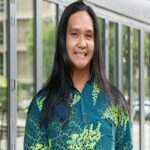
Aloha! My name is Kuʻulei Pereira and I am currently a graduate student in my second year pursuing my master’s degree in Learning Design and Technology at the University of Hawaiʻi (UH) at Mānoa. I also spend my working hours in the UH System as a Financial Aid Specialist at Kapiʻolani Community College. I am passionate about supporting students on their educational journey as I embark on my own as well. When I’m not at school or work I enjoy playing video games and learning new skills and hobbies.


John Paul Gampon, LTEC Student, University of Hawaiʻi, US

John Paul Gampon is a Financial Aid Specialist at Honolulu Community College and currently pursuing a master’s degree in Learning Design & Technology. He plans to create instructional guides for future financial aid specialists.

TCC Hawaii invites faculty, researchers, librarians, counselors, student affairs and student support professionals, graduate students, administrators, and consultants from around the world interested in evolving technologies and learning practices to submit proposals for this online conference.

Strategic Player Development: A Systems Approach for Coaches

This presentation highlights the design and development of a coach-centered online course focused on intentional player development systems. The course was created for collegiate and competitive-level coaches seeking to structure holistic athlete growth through aligned practice design, skill progression, data analysis, mental training, and reflective feedback systems. Grounded in principles of adult learning, constructivism, and systems thinking, the course integrates interactive tools such as Padlet discussions, structured reflection templates, and performance analysis assignments to promote applied learning.

Dyesha Stahley, LTEC Student, University of Hawaiʻi, US

I am a Division I women’s basketball staff member at the University of Hawaiʻi with a strong background in player development, operations, and student-athlete support. As a former Division I athlete and current coach, I bring a holistic, relationship-centered approach to teaching and development, emphasizing both on-court performance and off-court well-being. I have contributed to multiple 20-win seasons and have experience in areas such as sports science technology, international student-athlete support, and Name, Image, and Likeness (NIL) opportunities.

TCC Hawaii invites faculty, researchers, librarians, counselors, student affairs and student support professionals, graduate students, administrators, and consultants from around the world interested in evolving technologies and learning practices to submit proposals for this online conference.